

BOILER NINE
SMARTER SUSTAINABILITY
WHERE: AUSTIN, TEXAS
Eco-friendly menu that doesn’t drive up costs. Local and seasonal are now buzzwords on so many menus, they are no longer a differentiator. And it’s tough to find an operator who’s not trying to cut down on food waste. But at Boiler Nine, a multilevel eatery in a converted power station in Austin, Texas, these efforts are ingrained in the restaurant’s DNA and impact every purchasing and menu decision, says Executive Chef Jason Stude. He works closely with Beverage Director Jason Stevens to put sustainability front and center in the kitchen and bar. In the process, the duo is saving money.
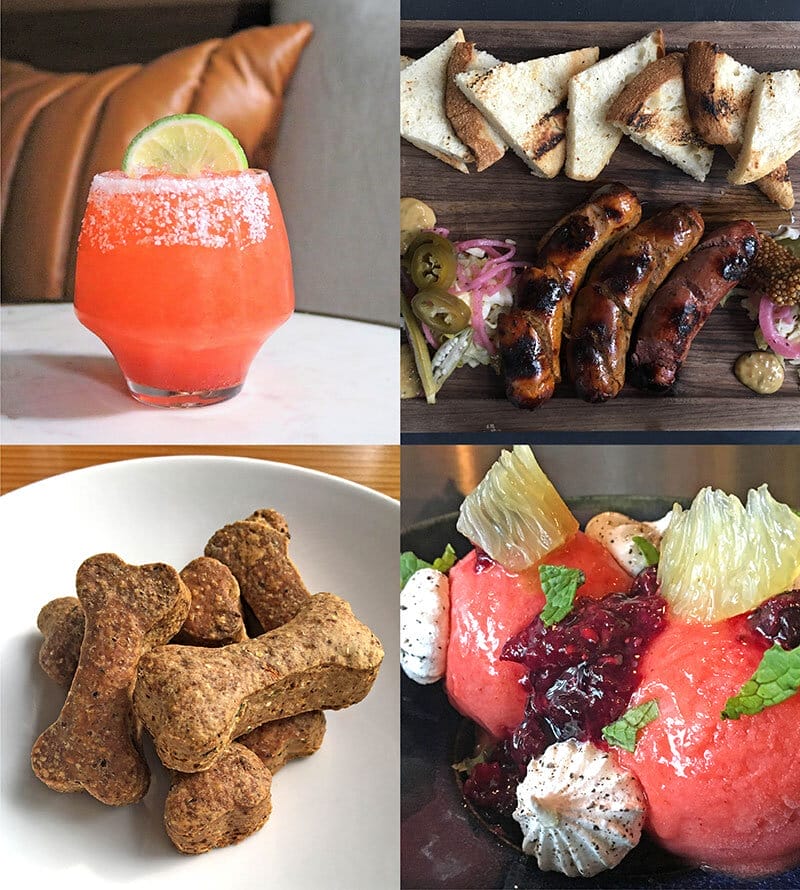
To meet the goal of sourcing mostly local products, Boiler Nine contracts with a small Texas distributor that partners with multiple local farms and producers. With this dedicated outlet for farmers and an increase in demand by area restaurants, the cost of local sourcing has gone down, says Stude. “I pull up price guides every day to compare against conventional suppliers, and theirs are often comparable or lower,” he says.
To further reduce its carbon footprint, Boiler Nine trains its cooks to challenge themselves to maximize every piece of food while minimizing waste. These are just some of the restaurant’s practices:
Replacing one of the kitchen’s fryers with a dehydrator accelerated its waste reduction. When roasting mushrooms, for example, the cooks take the liquid that collects in the pan, thicken it with cornstarch and dehydrate it to create mushroom chips, which are used in many applications.
For the bar, Stevens dries organic strawberries and pineapple and pulverizes the fruit into powders for cocktails. “Every single grain of the powders is usable,” he says.
The fat trimmed from briskets is rendered, then smoked. It’s whipped back into butter to impart a beefy flavor to Boiler Nine’s signature beer bread.
Vegetables past their prime and vegetable scraps are charred and reused in other applications. Carrot peels are turned into ash to sprinkle on carrot mousse; wilted scallions are charred and turned into scallion oil to serve with steak.
A seasonally changing sorbet cross-utilizes product from the bar program. Fruit juices and garnishes are recycled for desserts such as strawberry sorbet with pickled berry jam.
Chef de Cuisine Emily Maddy makes dog biscuitsfrom the unusable fibers when preparing chicken liver mousse. The biscuits are offered as a “take home to your pup” option on the dessert menu.
But Stude wants to make one thing clear: “We won’t jeopardize the integrity of a dish in our efforts to reduce waste.” Case in point: lettuce butter. “It didn’t work out, but so what? We just want the team to keep questioning themselves to do better,”
he says.

Our Fact Checking Process
We prioritize accuracy and integrity in our content. Here's how we maintain high standards:
- Expert Review: All articles are reviewed by subject matter experts.
- Source Validation: Information is backed by credible, up-to-date sources.
- Transparency: We clearly cite references and disclose potential conflicts.
Your trust is important. Learn more about our Fact Checking process and editorial policy.
Our Review Board
Our content is carefully reviewed by experienced professionals to ensure accuracy and relevance.
- Qualified Experts: Each article is assessed by specialists with field-specific knowledge.
- Up-to-date Insights: We incorporate the latest research, trends, and standards.
- Commitment to Quality: Reviewers ensure clarity, correctness, and completeness.
Look for the expert-reviewed label to read content you can trust.
